Melbourne winter seasons seldom make front-page information for snowstorms, yet the city's sharp over night drops, damp fronts southern, and week-long cold snaps put peaceful pressure on family pipes. Pipes are happiest between ground. Provide repeated cycles of near-freezing ambient air adhered to by cozy water, after that include wind chill in subfloor spaces and damp problems in wall surface tooth cavities, and you have the ingredients for pinhole leaks, ruptureds, and stopped working seals. The repair is not a solitary product or fast technique, however a collection of reasonable steps matched to regional problems and the peculiarities of your home.
I operate in and around Melbourne, VIC, and most wintertime pipes failures I see are preventable. The rest are made far less uncomfortable with some forward preparation. Below is a field-tested approach to winter-proofing that fits our environment, the way houses are built right here, and the truth that we all have day jobs.
Why Melbourne's climate develops peaceful plumbing risks
Melbourne's winter pattern is deceitful. We do not rest listed below zero all the time, but we do flirt with it during the night, especially in the fringes and higher suburbs. Cold fronts bring southerlies, and houses with ventilated subfloors or subjected exterior runs really feel that wind. Copper and PEX do not ice up at 2 or 3 degrees, yet the water inside them can if the pipeline wall surface is slim, the run is uninsulated, and air is passing it. Add condensate from heaters and warm showers, and you get wetness where you least desire it. That wetness, over many cycles, undermines sealers, corrodes fittings, and welcomes mould around damp areas.
Older Melbourne homes tend to have weatherboard cladding, crawl-space gain access to under wood floorings, and in some cases original galvanized runs tucked in strange areas. Restorations layer new pipes over old, which develops irregular protection. A refined new bathroom upstairs might sit over a draughty, uninsulated pipe run that goes back years. That is where failings appear when the very first frosts arrive.
Start with a map: understand your system before you touch it
Before you purchase insulation or book a plumbing technician, get oriented. You need a psychological map of where your water can be found in, how it branches, and where it is most susceptible. On a typical Melbourne home, the mains comes up at the front or side border to a meter, then to a pressure-reducing shutoff, after that right into the subfloor or wall surface dental caries. There is commonly an exterior hose pipe bib near the front path, an additional near the back, and often a side faucet by the driveway. Inside, long runs feed bathroom and kitchens. Warm water units can be roof-mounted solar, exterior gas storage space, interior or external continuous-flow gas, or heatpump. Each brings various winter considerations.
Walk the limit and under your home if you can. Consider pipeline products: copper, PEX with protective sheath, or older galvanized. Track where pipes cross outdoors in between the ground and the subfloor, or where they run along the underside of flooring joists without insulation. These are your exposure points. If you have a crawl space, note any type of vents that direct wind straight onto pipe runs. One customer in Reservoir had four open brick vents aligned like a wind passage under the bathroom. On a chilly evening, the subfloor temperature fell quickly, and hot lines swung from 55 degrees to near no between showers. The installations at the mixer began to weep after one winter.
Insulation that actually works in our conditions
Pipe insulation is economical compared to fixing a ruptured. The mistake I see is twofold: utilizing the wrong R-value and leaving gaps at elbow joints and tees. For Melbourne, a closed-cell polyethylene sleeve with at least 13 mm wall density for warm water and 9 to 13 mm for chilly lines makes a sensible standard. On exposed subfloor runs, I like 19 mm on the initial meter after the warm water unit and on any kind of section within a meter of an air vent. If your exterior pipes see wind, go thicker and shield with UV-stable tape or a split PVC cover, because sunshine breaks down most foam over time.
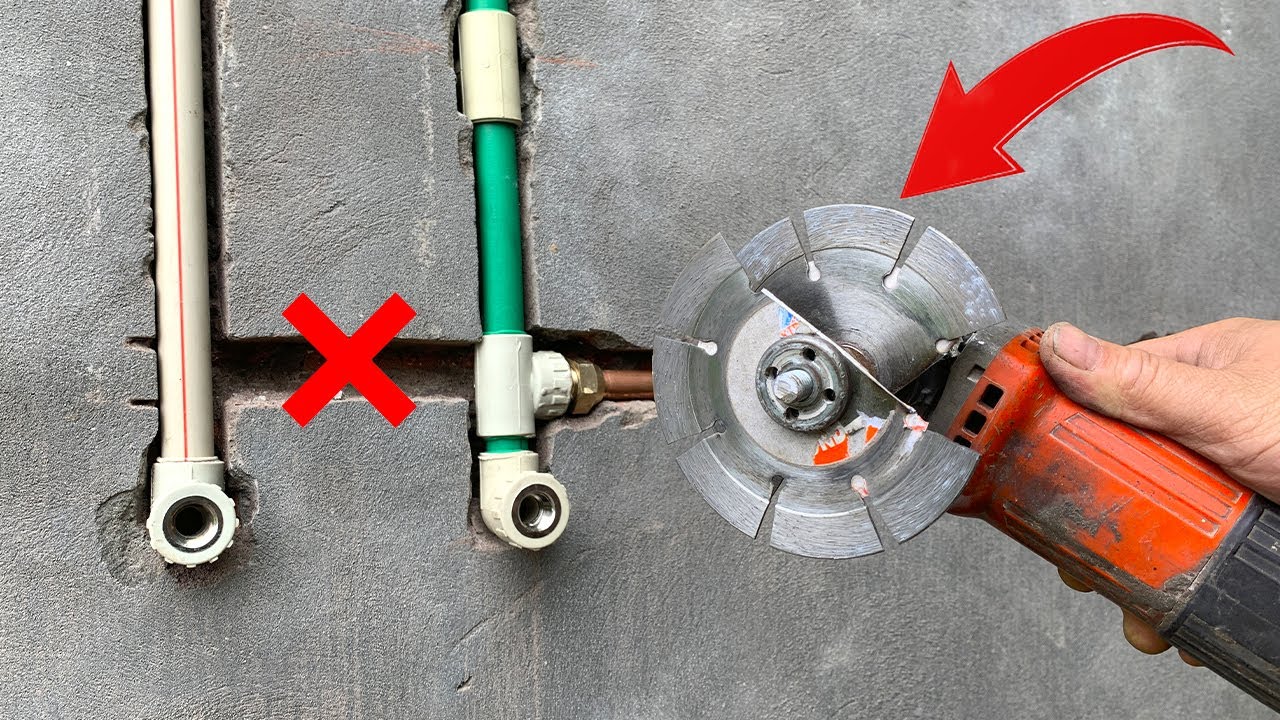
Fittings are the weak point. An elbow with no insulation ends up being the coldest part of the run, and that is where cold starts in borderline problems. Usage preformed 90-degree covers or cut, fit, and tape brief sectors snugly. It takes more time, but it is where the benefit comes from. If your hot water device rests outside, protect the first 1.5 to 2 meters of both flow and return (or electrical outlet and chilly inlet). On continuous-flow gas devices, leave accessibility for service panels however wrap the subjected copper tails.
External taps and hose pipe points
Garden faucets stop working a whole lot in wintertime. The bib itself is low-cost, however a burst can take a trip back along the line and damage plaster where the pipe passes through the wall. If you have taps on the southern side of the house that see persistent shade, add a straightforward faucet cover or a foam sleeve. Even better, set up a frost-resistant wall surface hydrant or fit a mini-isolator with a drainable area inside the wall surface, yet that requires an accredited plumber and only makes good sense in locations with repeated frosts. For the majority of Melbourne homes, a tight cover plus a habit of separating tubes overnight when frost is forecast solves 90 percent of Plumbing Troubleshooting Guide the risk.
A quirk I usually see: automatic watering left charged via winter months. A heartburn gadget near the meter and the first meter of pipeline to the solenoids rest above ground, exposed and failed to remember. Drain the system after the last fall trim, or at least separate it and open the most affordable electrical outlet to hemorrhage stress. Label the watering seclusion valve so every person in your house knows which one it is.
Subfloor air flow and pipe routing
Ventilation keeps hardwood healthy, yet it can make pipes cool quickly. The objective is not to block air flow, yet to secure pipes from straight wind. If your pipes run within 300 mm of a subfloor vent, either reroute the line behind a joist or include a straightforward baffle that disperses air without sealing the vent. I have actually utilized concrete sheet offcuts, spaced 20 mm off the brick to stay clear of trapping wetness, and it raised subfloor pipeline temperature levels by a few levels on wind-chill nights. Tiny changes matter at the edge of freezing.
If you are restoring, ask the plumbing technician to avoid long horizontal runs in the coldest areas and to bring align through internal walls as opposed to external if alternatives exist. It does not alter the quote a lot during a construct and conserves despair later on. For existing homes, also moving a solitary meter of revealed copper behind a joist can eliminate a repeat issue point.
Hot water units in winter
Different heating systems behave in a different way in the cold. Outside continuous-flow gas devices strangle down or turned off if inlet water temperature level drops as well low or if cold air surges the temperature sensor. In most of Melbourne this is rare, however on cold early mornings in bayside or edge suburbs, you might observe periodic ignition or brief cycling. A safety hood and shielded tails typically fix it. Maintain the condensate line on high-efficiency devices clear and protected where it is revealed, because a frozen condensate trap can lock a system out.
Storage gas or electrical systems lose warm via the very first runs and the tank body. A simple jacket around an older outside storage space system assists, but do not cover gain access to panels, flues, or labels. For solar thermal with roof covering lines, make sure glycol degrees are proper and collection agencies have freeze defense. Melbourne does see frost on clear evenings, and a neglected system can crack a roofing loop silently. If you are uncertain, book a solution prior to the very first real cool front.
Heat pumps are progressively typical. They will generate condensate year-round. In winter, that release can ice up in shaded places and creep under slabs or steps. Extend the line to a crushed rock bed, and insulate any exposed section so you do not create a slip threat or a damp spot at the footings.
Sealants, washers, and the sluggish drip that comes to be a problem
Cold contracts products. A mixer that was great in March can begin to drip in July, not since the cartridge suddenly stopped working, however because the O-rings and seats harden and gaskets shrink a fraction. If a tap begins to weep when the very first cold wave hits, repair it swiftly. A drip wastes 2 to 4 liters an hour, which ends up being hundreds each week, and the cooler the water, the even more condensation forms around the body. That condensation runs back right into cabinetry, and I have seen baseboards swell and mould after 2 weeks of "simply a slow-moving drip." Replace the cartridge or washer, and seat it with a light hand, not strength, because overtightening ratings the valve.
Silicone around showers and vanities likewise acts in a different way in winter months. If you are resealing, do it on a dry day and enable extra treating time. Cold air slows down the cross-linking, and a seal that really feels company to the touch may not be fully established for 2 days. If you bath prematurely, micro-channels kind that you can not see but will carry water into the wall all winter.
Roof plumbing and stormwater
Strictly speaking, not all roofing plumbing is potable water, yet it matters to your house in wintertime. Obstructed seamless gutters and downpipes pressure water back under flashings, and it locates the simplest course down. Once it gets to a wall cavity, it will hinge on noggins and run along penetrations, that include your pipes. You will certainly vow your shower is leaking when the wind-driven rain is the genuine culprit.
Clean rain gutters at the end of fall, check that downpipes discharge into clear stormwater, and make sure the joints are sealed. If your stormwater reduces after hefty rain, get a cam examination. Winter season groundwater level increase, roots swell, and old earthenware fractures. When stormwater supports, courtyards flooding and subfloors stay damp for weeks, which corrodes wall mounts and clip screws that hold water and gas lines. I changed a stainless clip in Brunswick that had actually rusted almost through after a winter season where water sat around it for days at a time.
Preventing frozen pipes on the edge and in chilly pockets
Not all of Melbourne sits at the same temperature. If you are in a frost-prone pocket like components of the Yarra Ranges, Sunbury, or raised inclines in the eastern, you are most likely to see pipes ice up outside and sometimes in subfloor runs. Add three behaviors to your winter playbook:
- Know and test your main isolation shutoff before winter season. If a pipeline bursts at 2 get on a chilly evening, you intend to turn it off in secs, not minutes. Disconnect and drain garden hoses after use on projection frost evenings. A pipe full of water transfers cool into the faucet and back right into your home line. Keep a tiny pipe-thaw plan ready: cozy towels and a hair dryer readied to low, not open fire. Heat slowly and look for leakages as ice melts.
That third step is worthy of emphasis. Heating a frozen pipe too promptly produces heavy steam pressure and can rupture the line. Work from the tap back towards the supply, and watch joints. Once water streams, leave the faucet dripping for a couple of minutes to clear slush.
Condensation control around chilly water lines
One forgot winter season issue is condensation on cold lines behind plaster. Warm interior air meets a chilled pipeline in a dental caries, and humidity does the remainder. With time, that dampness feeds mould and swells plasterboard. If you discover mildewy smells or faint darkness on paint, the offender could be a chilly water line that never sees flow overnight and stays cold.
Insulate cold lines where they go through outside walls or rest near vents. If you are refurbishing a restroom, cover both hot and cold lines even though the chilly one will certainly not shed warmth. A 9 mm sleeve suffices to regulate condensation in many cases. In cooking area cabinets, add air flow holes at the back if a cold line runs behind a secured kickboard, and avoid pushing saved items hard against the pipe.
Pressure, water hammer, and winter season's impact on systems
Cold water is somewhat extra viscous and can accentuate existing stress imbalances. If you hear bangs when taps close swiftly in wintertime, you likely have water hammer, normally from long straight runs or loosened pipelines. Gradually, hammer shreds washing machines and stress and anxieties joints. The repair might be as straightforward as adding a clamp or cushioning brace to a trembling section of pipeline. Sometimes you require a hammer arrester fitted near an issue device like a dish washer or washing equipment. Inspect your stress at an outside tap with a scale. In Melbourne, a lot of homes need to kick back 500 to 600 kPa after the regulatory authority. If you are up near 800, you will certainly feel it a lot more in winter months and your pipes will certainly age much faster. A licensed plumbing can change or replace the pressure-reducing valve.
The little habits that pay back all winter
Hardware aids, yet everyday practices maintain systems out of trouble. If the forecast calls for a serious cold evening, run each tap for 10 to 15 secs around dinner time to draw warmer water into subjected runs. It is not about leaving faucets trickling all night, which wastes water. It has to do with resetting the temperature of the lines prior to the coldest hours. Close closet doors under sinks on cold days if they hide heating vents or radiators that might cook seals, however open them a little on wintry evenings to let area air maintain pipelines from ending up being the chilliest thing in the room.
If you have guests and the warm water need doubles, area showers a little additional apart. Many storage space systems have sufficient capability, but the healing time in chilly air takes much longer. People often tend to transform mixers complete hot to make up, which stresses cartridges and the heater. Shocking showers by 10 to 15 mins can make a surprising difference to comfort and system wear.
When to call a pro
There are restrictions to what makes good sense as a do it yourself winter preparation. It is one thing to slip foam on a visible section of pipe. It is another to open up a wall or reroute services around vents. Accredited plumbers in Melbourne, VIC, bring not simply tools yet an eye for where leakages tend to turn up in our real estate supply. If you spot any one of the complying with, get somebody out before it intensifies:
- A repeating drip at the base of a mixer or a discoloured spot on plaster underneath a damp area. Any indicator of eco-friendly or white crust (verdigris or salts) on copper joints under the house. A constant hissing near the meter when no water is running within, which recommends a covert leak. Quick biking of a continuous-flow heating system in cold weather or error codes very first thing in the morning. Water discolorations along cornices or the top of a shower wall surface after rain.
The best winter-proofing commonly happens when a tradie is currently on site for one more factor. If you are replacing a vanity or repainting, request a quick evaluation of the nearby lines, specifically in exterior walls. The minimal expense of insulating or rerouting while the wall is open is tiny compared to doing it later.
Materials and choices that match Melbourne houses
I obtain asked whether copper or PEX is much better in winter months. Each has values. Copper handles UV and gnawing parasites better when exposed, and it transfers warm swiftly, which is a minus for warm loss but a plus when you want a pipe to thaw equally. PEX, particularly with an oxygen barrier and safety sheath, stands up to cold damage slightly better because it can bend, however its fittings are the powerlessness and needs to be shut out of straight sunlight and secured from sharp edges. In Melbourne's combined housing, I generally suggest PEX for long internal runs with copper stubs and revealed sections. Whatever you pick, the quality of the join and the assistance of the pipeline matter more than the product in wintertime performance.
For insulation, usage items ranked for drinkable water lines, not basic cooling and heating foam. Check for UV resistance if the line sees daytime, also filteringed system, and View website tape joints cleanly. I have seen lots of failings begin at a careless tape task that lets the sleeve open at an elbow.
A quick pre-winter walkthrough for a normal residence in Melbourne, VIC
Think of this as the 90-minute circuit you do on a Saturday early morning in late autumn. It is not attractive, however it stops late-night emergencies.
- Walk the boundary and subfloor. Determine exposed pipe runs, specifically near vents. Include or change insulation on the first 2 meters after the hot water device and on any runs under bathrooms. Check exterior faucets. Fit covers where needed, ensure hose pipes are separated over night in frosts, and classify the watering seclusion shutoff. Drain pipes watering lines if you remain in a frost-prone pocket. Service or a minimum of visually inspect your hot water system. Clear the condensate line, cover revealed copper tails, and keep in mind any mistake codes or ignition missteps on chilly mornings. Clean gutters and confirm downpipes run openly to stormwater. Search for indications of overflow or leaks that may damp wall surface cavities and amaze pipes diagnosis. Test the main seclusion valve at the meter and the interior stop faucets. Make sure every person in the house knows where they are and how to use them.
Edge instances and judgment calls
Not every referral is global. If you reside in a small townhouse with all services internal and minimal external exposure, you can likely avoid heavy insulation, though I still favor sleeves on hot lines to conserve power. If you remain in a heritage weatherboard with a charitable subfloor and a southern restroom wall, invest your budget under your home first and on external faucet security. If you run a temporary leasing, include labels and basic directions concerning hoses, seclusion valves, and shower spacing during cold wave. Guests like to crank a mixer to complete hot and walk away. Good details lowers the tension on the system.
For those with water tanks, keep in mind that pumps are frequently mounted on the surface on slabs. They do not such as chilly, wet air. A basic aerated pump cover safeguards electronics from condensation and maintains pipes a few degrees warmer. Do not wrap pumps, but do insulate the suction and discharge lines to the initial elbow.
What failing appears like, and how fast it moves
One last story from a residence in the north. A neat block veneer with a recently renovated bathroom upstairs. The proprietors noticed a pale spot on the downstairs ceiling after a week of cold mornings. No smell, just a shadow. They thought it was a roof covering issue, due to the fact that it drizzled hard that week. The actual cause was a cold line behind the upstairs vanity, uninsulated, running along an external wall surface. Condensation developed each evening, leaked onto the plaster lip behind the cabinet, and worthless along a screw opening. By the time we opened it up, the particleboard had actually started to swell, and mould had actually set in. The fix set you back a few thousand, plus re-tiling component of a splashback. A ten-dollar sleeve and twenty minutes with a lantern and an energy blade in May would certainly have avoided it.
Plumbing seldom falls short noisally and immediately in Melbourne wintertimes. It drips, it cries, it condenses, it cycles. The sign is attention. If you construct a small habit of walking the house before the period transforms, protecting what you can see, securing pipelines from wind, and servicing the warm water system, you remove a lot of the risk. For the remainder, have your plumbing professional's number convenient, know your seclusion valves, and handle little signs prior to they develop into tales you inform next winter.